





You pumped during your lunch break, stashed the milk in the office fridge, and then realized at daycare drop-off that you forgot to label the bags. Now the milk sits unused all day. Situations like this are common when you're juggling work, pumping, and childcare, and most of them are preventable with the right workflow.
This guide walks through the specifics: pumping at your desk (or wherever you can find privacy!), keeping milk safe until you leave the office, getting it to daycare, and making sure nothing goes to waste.
Quick Answer
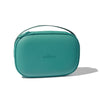
You have two options at work: store pumped milk in the office fridge (up to four days) or keep it in a portable cooler like the Willow Breast Milk Cooler. For daycare drop-off, you’ll need to pre-portion milk into feeding-size amounts, label every bag or bottle with your baby's name, date, time, and volume, and confirm your daycare's specific policies before day one.
Storing Breast Milk at Work
The storage situation at your office will fall into one of two categories. Either you have access to a refrigerator, or you don't. Both are workable.
If Your Workplace Has a Refrigerator
Breast milk is a food. According to the CDC, it can be stored in any shared office refrigerator alongside lunches, beverages, and leftover birthday cake. You don't need a separate mini-fridge or a special arrangement with facilities.
Place your milk containers toward the back of the fridge, not in the door. Door shelves see the biggest temperature swings every time someone opens the fridge, and consistent cold (40°F or below) is what keeps milk safe for up to four days.
If you're uncomfortable putting milk in a communal fridge, a small opaque bag or container labeled with your name works well. Most coworkers won't give it a second thought.
If You Don't Have Fridge Access
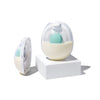
No fridge doesn't mean no options. The Willow Breast Milk Cooler keeps milk cold for up to 24 hours* with the option to chill using ice cubes or an ice pack. It’s designed for sanitary milk transfers on the go. If you're pumping in a shared space, a conference room, or even a car, it gives you a reliable cold storage option wherever you happen to be.
(*Compared to leading milk coolers in Eurofins 2026 controlled, third-party testing)
Labeling at Work
Write the date and time you pumped on every breast milk container. If you're stashing multiple sessions in the same fridge or cooler throughout the day, the timestamps help you use the oldest milk first. The Willow Breast Milk Storage Bags with SmartStash Tracking help you log this information on each bag via our app, which saves a step when you're pumping between meetings.
How to Transport Breast Milk to Daycare
The commute is the trickiest part of the chain. Milk needs to stay cold from the moment you leave home (or work) until you hand it off to your daycare provider.
The Willow Breast Milk Cooler handles the transport window comfortably, with up to 24 hours of cold storage. That means milk pumped during the workday stays safe through your evening commute, overnight in the fridge at home, and the morning drive to daycare. If your commute is on the longer side (an hour or more each way), the 24-hour window still covers a full pump-to-drop-off cycle without cutting it close.
Before drop-off, pre-portion milk into the amounts your baby typically eats per feeding. Sending four-ounce bottles when your baby usually drinks three ounces means throwing away an ounce every feeding. Small portions (two-to-four ounces) give daycare staff flexibility without waste.
One practical note on containers: some daycares require milk to arrive in bottles, ready to feed, and won't transfer milk from bags on-site. Others are fine with storage bags. Check this before you spend a week prepping bags only to find out your daycare needs bottles.
If you're sending previously frozen milk, make sure your daycare provider knows it must be used within 24 hours of thawing and cannot be refrozen. Clear communication here prevents waste. For full guidance on safe thawing, see our guide on how to thaw and warm breast milk.
What to Write on Breast Milk Bags for Daycare
Every bag or bottle going to daycare needs four things:
-
Baby's full name
-
Date pumped
-
Time pumped
-
Volume
Some daycares are strict about this. Missing a label can mean your milk sits unused for the day, which is frustrating for everyone. Build the labeling step into your evening or morning routine so it becomes automatic.
Daycare Policies to Confirm in Advance
Not all daycares follow CDC storage guidelines exactly. Some have stricter rules. A few common requirements to ask about before your baby's first day:
-
Does the daycare accept frozen milk, or only fresh/refrigerated?
-
Do they require milk to arrive in bottles, or can they transfer from bags?
-
How do they handle thawing and warming? (For reference, see our guide on how to thaw and warm breast milk.)
-
What happens to unused milk at the end of the day?
Getting these answers early prevents a scramble on the first Monday back.
How Long Does Breast Milk Last at Work?
|
Storage Scenario |
How Long |
Source |
|
Office refrigerator (40°F or colder) |
Up to 4 days |
CDC, Mayo Clinic |
|
Willow Breast Milk Cooler |
Cools up to 2× faster & maintains colder temperatures for up to 24 hours |
Compared to leading milk coolers in Eurofins 2026 controlled, third-party testing. |
|
Room temperature (77°F or cooler) |
Up to 4 hours |
CDC |
For a complete breakdown of storage timelines across every scenario (freezer, thawed, warmed), see our full guide on how long breast milk lasts.
The four-hour room temperature limit is the one that catches people off guard. If your pump session ends and you get pulled into a meeting, milk sitting on your desk at room temperature starts the countdown. Having a cooler or fridge option eliminates that pressure.
How Often Should You Pump at Work?
Every two-to-three hours, roughly matching how often your baby eats. For an eight-hour workday, that typically means two to three pumping sessions.
Skipping sessions or stretching to four or five hours between pumps can affect your supply over time. Your body produces milk on a supply-and-demand basis, so consistent removal signals that production should stay steady. Even a 15-minute session is better than skipping entirely on a busy day.
Pumping at Work: Practical Tips
Pumping at work involves more than finding a room with a lock on the door. A consistent routine (same times, same spot, same steps) makes the whole process feel less disruptive to your workday. Here are a few habits to keep in mind:
-
Wash your hands before every pump session and before handling milk or pump parts.
-
Clean pump parts between sessions using soap and warm water. If you don't have access to a sink, the CDC says you can refrigerate pump parts in a sealed bag between sessions until you're able to wash them properly.
-
Store in two-to-four ounce portions so each container holds roughly one feeding. Smaller portions thaw faster and reduce the amount discarded if baby doesn't finish.
-
Use the oldest milk first. If you're building up several days of pumped milk, keep a simple rotation so nothing expires in the back of the fridge.
Getting Home: Transferring Milk Safely
When you walk in the door, move your pumped milk to the fridge or freezer right away. Don't leave it in the cooler overnight, even if the cooler can technically hold temperature. The Mayo Clinic recommends transferring promptly and storing containers at the back of the fridge or freezer where temperature is most stable.
If you're freezing milk, lay bags flat until frozen, then stack them upright like files. Flat-frozen bags stack neatly, take up less space, and thaw faster when you need them. Our Breast Milk Bag Flatteners come in handy for just this reason, letting you easily organize and store your milk bags on the
One more thing: don't add warm, freshly pumped milk directly to already frozen milk. The warm milk can partially thaw the frozen supply. Let fresh milk cool in the fridge first, then combine if needed.
FAQ
Can I store breast milk in the office fridge?
Yes. Breast milk is classified as a food and can be stored in any shared office refrigerator. Store containers at the back of the fridge where temperature stays most consistent, and label them with your name and the date pumped.
How long can breast milk stay in a cooler?
In the Willow Breast Milk Cooler, milk stays cold for up to 24 hours. That number comes from Eurofins 2026 third-party testing, which confirmed the cooler outperforms leading alternatives in both cooling speed and duration.
What do I write on breast milk bags for daycare?
Every bag or bottle needs your baby's full name, the date you pumped, the time you pumped, and the volume. Some daycares will refuse to use milk that isn't fully labeled, so make it part of your prep routine.
How do I pump at work without a fridge?
Use a portable cooler option like the Willow Breast Milk Cooler. It keeps milk cold for up to 24 hours without ice packs, which covers a full workday and commute with room to spare.
Can daycare use my frozen breast milk?
It depends on the daycare. Some accept frozen milk and handle thawing on-site; others require all milk to arrive refrigerated or already in bottles. Ask your provider about their policy before your start date so you can plan your storage and prep accordingly.
How many times should I pump at work?
Two-to-three times during a standard eight-hour day, spaced every two-to-three hours. The goal is to roughly match your baby's feeding frequency so your body keeps producing at the same rate. If you can only fit in two sessions on a hectic day, that's still better than none.
Tags Used