





tl;dr Your wearable breast pump could be leaking due to improper assembly, poor fit, overfilling or a nursing bra that’s either too tight or too loose.
Pumping breast milk is a true labor of love. You spend precious time and energy making food for your baby, carefully timing your sessions around naps, work meetings, and household chores. So, when you look down and see your hard-earned milk leaking down your stomach, it is completely normal to feel devastated.
You bought a wearable breast pump to gain freedom and convenience, not to add another mess to your busy day. If you are dealing with a leaking pump, take a deep breath. You are not alone, and your pump may not be broken.
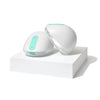
Wearable breast pumps rely on a delicate balance of suction, seals, and positioning to work correctly. When even one small element shifts, leaks can happen. Of course, we’re a little biased and recommend the Willow 360 leak-proof pump as a solution here. That’s why we designed it. This guide will explore broader reasons why your wearable breast pump might be leaking and give you practical tips even if you didn’t choose the 360.
Common Causes of Wearable Breast Pump Leaks
Troubleshooting a leaking wearable pump usually comes down to a few common culprits. We suggest walking through this checklist to identify the problem.
1. Improper Assembly and Loose Seals
When you are a busy new mom running on minimal sleep, it is incredibly easy to rush through assembling your pump. Wearable pumps have multiple small, interlocking silicone parts. If just one piece is slightly misaligned, the vacuum seal breaks, and milk will find a way to escape.
The most common assembly errors involve the duckbill valves, the silicone diaphragms, and the connection between the flange and the milk collection container. If a valve is pushed slightly askew or a diaphragm is not snapped down completely around the edges, milk can leak out of the air vents or seep through the seams.
How to fix it:
Always assemble your pump in a well-lit area when you have a free moment, rather than rushing as you put it on. Press firmly along the edges of all silicone seals to ensure they sit flush against the hard plastic components. Listen for the distinct "snap" or "click" that most wearable pumps make when the collection cups lock into the motor. If your pump parts feel loose when you put them together, take them apart and try again.
2. Using the Wrong Flange Size
Flange fit is another critical factor in successful pumping. The flange is the funnel-shaped piece that sits directly against your breast. If you use a flange that is too large, your pump will pull too much of your areola into the tunnel. This not only causes pain and swelling but also creates gaps where milk can easily leak out.
Conversely, a flange that is too small will pinch your nipple and prevent your breast from emptying fully. A poor flange fit breaks the suction seal required to pull milk securely into the collection cup. It is also important to remember that your nipple size can change throughout your postpartum journey, meaning the flange that fit you perfectly at two weeks postpartum might not fit at three months.
How to fix it:
Measure your nipples using a specialized ruler or sizing tool. You want to measure the base of your nipple before a pumping session, excluding the areola. Your flange size should generally be 1 to 3 millimeters larger than your nipple measurement. If you measure between sizes, you can use silicone sizing inserts that slide directly into your wearable pump's standard flanges to create a customized, snug fit.
3. Overfilling the Container or Bag
Wearable breast pumps have a strict maximum capacity. Willow Go comes with 5oz milk containers and Willow 360 comes with 4oz milk bags, 7 oz containers are also available. Because these pumps sit discreetly inside your bra, it is easy to lose track of how much milk you are producing. Willow wearable electric pumps are app-controlled so you can track output from your phone, but not all wearables come with this feature.
Once the milk level reaches the air vent or the top of the collection chamber, it has nowhere to go but out. Overfilling will force milk back up through the flange or out through the motor's connection points.
How to fix it:
Get to know your unique milk production patterns. If you know you typically pump 6 ounces from your right breast during your morning session, you must stop your wearable pump halfway through to empty the container. Keep an eye on your pump's app if it tracks volume, or simply take a peek down your shirt every ten minutes. It is always better to pause your session and empty the cups early than to push the limits and lose your milk.
4. Bending Over or Excessive Movement
Willow 360 comes with a continuous leak-proof latch but not all wearable pumps truly let you multitask. While most modern pumps give you the freedom to wash dishes, type at your desk, or fold laundry, they do not grant you zero-gravity movement.
Most wearable pumps rely on gravity to direct the milk from the flange tunnel down into the collection cup. If you bend over to pick up a toy from the floor or lean far forward to put your baby in their crib, the milk inside the cup can flow backward and spill out of the flange opening.
How to fix it:
Maintain an upright posture while pumping. If you absolutely must pick something up off the floor, bend at your knees and keep your torso straight, doing a squat rather than bending at the waist. If you need a pump that allows for 360-degree movement, look into specific models that use completely sealed, spill-proof milk bags instead of reusable plastic containers.
5. Wearing the Wrong Pumping Bra
Your bra is the unsung hero of your wearable pumping routine. Traditional wall pumps use external suction to stay somewhat attached to your breast, but wearable pumps rely heavily on the compression of your bra to maintain a tight seal.
If your bra is too loose, the heavy motor of the wearable pump will pull the flange away from your skin, breaking the seal and allowing milk to drip down your chest. If your bra is too tight, it can compress your breast tissue, restrict milk flow, and warp the shape of the silicone flange, which also causes leaks.
How to fix it:
Invest in a structured, supportive nursing or pumping bra made from stretchy but firm material. You want a bra that holds the pump snugly against your breast without digging into your skin. Adjustable straps are highly recommended, as you can loosen them slightly to accommodate the bulk of the pump and tighten them back up when you are finished.
The Importance of Proper Maintenance and Care
Even if you assemble your pump perfectly and wear the best bra, your wearable pump will eventually leak if you do not take good care of its parts. Wearable pumps endure high heat from washing and aggressive suction from the motor, which degrades the materials over time.
Inspecting Parts for Wear and Tear
Silicone parts like duckbill valves, backflow protectors, and diaphragms are the hardest working components of your pump. Over time, the constant stretching and pulling causes the silicone to lose its elasticity. When a duckbill valve gapes open instead of remaining tightly closed, or a diaphragm becomes stretched out, your pump loses suction and milk begins to pool in the flange tunnel instead of spraying into the cup. Check your parts daily for tiny tears, warping, or stretching.
Cleaning and Drying Thoroughly
Moisture is the enemy of a good vacuum seal. If you wash your pump parts and assemble them while they are still slightly damp, the water acts as a lubricant. This causes the silicone parts to slip and slide against the plastic collection cups. A sliding flange will immediately break the seal against your breast. Always let your pump parts air dry completely on a clean rack before using them. If you are in a rush, use a clean, lint-free paper towel to dry the connection points thoroughly.
When to Replace Your Pump Parts
Replacing your pump parts on a regular schedule is the easiest way to prevent leaks and maintain a healthy milk supply. Worn-out parts are the leading cause of poor suction and unexpected spills.
For all pump parts we typically recommend replacement every 90 days:
-
Duckbill valves and membranes
-
Silicone flanges and inserts
-
Hard plastic collection cups
Keep a spare set of parts in your pumping bag. This ensures that if you notice a leak caused by a torn valve while you are at work, you can swap it out immediately without missing a pumping session.
Keep Your Milk Safe
Dealing with a leaking wearable breast pump is incredibly frustrating, but it is almost always a solvable problem. By checking your assembly, verifying your flange size, sitting upright, and wearing a supportive bra, you can stop the spills before they start.
Remember to treat your pump parts with care and replace them regularly. Your breastfeeding and pumping journey requires immense dedication, and you deserve a pump that works just as hard as you do. Take a few extra minutes today to inspect your wearable pump, measure your flanges, and set a reminder on your phone for your next parts replacement. Your breast milk is far too precious to lose.
Tags Used