





Keep your pump working for the long term.

Breastfeeding can be beautiful, empowering, and deeply meaningful, but it also comes with questions and challenges. One of the most common struggles nursing parents face is figuring out exactly how to clean their breast pump safely — especially when pumps have multiple parts, different materials, and unique cleaning requirements.
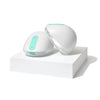
Whether you're using a standard, corded pump or a fully portable, wearable Willow Pump, keeping your equipment clean is essential for your baby’s health and for maintaining the performance of your pump.
This guide breaks everything down in a clear, evidence-based, mom-friendly way.
TL;DR
Cleaning your breast pump after each use is essential to prevent bacteria growth, protect your stored milk, and extend the life of your pump. Wash all milk-contact parts using hot, soapy water or the dishwasher (top rack, if approved), then air-dry completely. Avoid the kitchen sink to reduce contamination. Always follow CDC breast pump cleaning guidelines.
Table of Contents
- Why Cleaning Your Breast Pump Matters
- What Parts You Should Clean
-
Step-by-Step: Cleaning Pump Parts Safely
• Before pumping
• After pumping: traditional pumps
• After pumping: portable and Willow pumps - Do You Need to Clean After Every Use
- Pro Tips to Make Cleaning Faster
- When to Sanitize vs When to Wash
- Common Cleaning Mistakes to Avoid
- Empower Your Feeding Journey With Willow
-
FAQs
1. Why Cleaning Your Breast Pump Matters
Not cleaning your breast pump can also shorten the life of the pump itself. Breast pumps are a godsend for moms everywhere, but they can also be expensive. Your breast pump makes contact with breast milk, skin, and the natural bacteria that live on your body. Over time, if not cleaned properly, pump parts can accumulate:
- Bacteria
- Mold
- Residual milk film
- Odors
- Build-up that affects suction
This can impact:
- Your baby’s health
- Your stored milk safety
- Your pump’s performance
- The lifespan of the pump
Even small amounts of leftover milk can spoil quickly and contaminate freshly pumped milk. Cleaning is one of the simplest ways to protect your feeding routine.

2. What Pump Parts Need to Be Cleaned
You do not wash the pump motor or internal electronics.
Instead, clean every part that touches your breast or your milk, including:
- Flanges
- Valves
- Connectors
- Milk bags or bottles
-
Tubing (if milk enters it)
-
Willow pump components that contact milk
Keeping these parts clean protects both your milk and your investment.
3. How to Clean Breast Pump Parts (CDC-Approved Steps)
Washing your pump isn’t as simple as rinsing it in the kitchen sink. To keep yourself and your baby healthy, you should always follow the breast pump cleaning guidelines from the CDC:
Before Pumping
- Wash your hands thoroughly with soap and water.
- Inspect all flanges, valves, and connectors for buildup or mold.
- Clean any part that looks dirty before assembling your pump.
- Set up a clean pumping area free from food and debris.

After Pumping (Traditional Pumps)
Step 1: Clean the Pumping Area
Use disinfectant wipes to clean:
- Power switches
- Buttons
- The tabletop
- Pump exterior
Willow Pumps skip this step since they are cordless and self-contained.
Step 2: Disassemble All Parts
Separate:
- Tubing
- Flanges
- Valves
- Bottles or bags
- Connectors
Step 3: Rinse
Rinse each part under clean running water to remove milk residue.
Step 4: Wash
Handwashing method:
- Use a dedicated wash basin (never the kitchen sink).
- Fill with hot water and dish soap.
- Scrub with a brush or sponge used only for this purpose.
Dishwasher method:
- Only if allowed by the manufacturer
- Place on the top rack
- Use a hot-water cycle
Step 5: Rinse Thoroughly
Rinse under clean water or a fresh basin of water.
Step 6: Air Dry
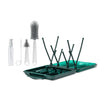
Place parts on a clean towel or drying rack.
Do not pat dry; this may transfer germs.
After Pumping (Portable & Willow Pumps)
Willow Pumps have minimal parts, which means cleaning is easier and faster.
Step 1: Disassemble
Separate flanges, containers, valves, and connectors.
Step 2: Soak
Soak parts in warm, soapy water for at least 5 minutes.
Step 3: Scrub
Use a soft brush to remove residue.
Step 4: Rinse & Air Dry
Rinse well and place on a clean towel or rack to air dry fully.
4. Do You Need to Clean After Every Use
Yes. To prevent buildup, mold, and bacteria transfer, all milk-contact parts should be washed after every pumping session.
This protects:
- Your baby
- Your milk stash
- Your pump’s suction and lifespan
5. Pro Tips to Make Cleaning Faster
These optimizations rank well for searches like “how to clean breast pump faster”:
- Keep extra sets of Willow Go or 360 pump parts so you only wash once per day.
- Create a pumping station with labeled bins for “clean parts” and “used parts.”
- Freeze pump parts between sessions only if your doctor approves and only if milk is not caked on (some hospitals allow this; CDC does not recommend it widely).
- Store a travel-size cleaning kit in your pump bag for on-the-go pumping.
6. When to Sanitize vs When to Wash
Sanitize daily if:
- Your baby is younger than 3 months
- Your baby was born prematurely
- Your baby is immunocompromised
- You have had issues with mold, illness, or residue
Sanitization options:
- Boiling water
- Microwave steam bags
- Plug-in steam sterilizers
7. Common Cleaning Mistakes to Avoid
Avoid:
-
Washing pump parts in the kitchen sink
- Air drying on a towel used for dishes
- Using multipurpose sponges
- Reassembling before parts are 100 percent dry
- Storing parts in airtight containers while still damp
8. Empower Your Nursing Journey With Willow
Cleaning your breast pump is essential for your health, your baby’s safety, and your overall pumping experience. Willow Pumps are engineered to give you more freedom, mobility, and simplicity, especially when you pump multiple times per day.
If you want a pump that works with your life instead of against it, explore which Willow Pump fits your routine best.
Take our free Willow pump quiz to find your perfect match.
FAQs
1. How often do I need to wash breast pump parts?
Wash milk-contact parts after every use. Sanitize daily if your baby is newborn, preterm, or immunocompromised.
2. Can I wash pump parts in the dishwasher?
Yes, if the manufacturer approves it. Place them on the top rack and let them air dry.
3. Can I use the kitchen sink to wash pump parts?
No. Sinks harbor bacteria. Use a dedicated wash basin.
4. Can pump tubing be washed?
Only if milk enters the tubing or condensation forms. If mold appears, replace it immediately.
5. How do I dry breast pump parts safely?
Air dry on a clean towel or drying rack. Do not pat dry.
6. Do Willow Pumps have fewer parts to clean?
Yes. Willow Pumps were designed with minimal, easy-to-clean components for maximum convenience.
7. Should I sanitize my pump parts daily?
Sanitize daily if your baby is under 3 months, recovering from illness, or born prematurely.


Tags Used