





How to Measure Flange Size for a Better Breast Pump Fit
If flange sizing feels confusing, just remember: A better flange fit usually starts with a ruler, not trial and error. You'll want to measure your nipple diameter in millimeters before pumping, then use that number to choose a likely size and confirm the fit during a session.
That measurement won't tell you everything, but it gives you the best place to start before checking how the flange actually feels in use. And while measurement gives the best starting size, it's comfort (centered nipple movement) and effective milk removal that show whether the fit is actually right.
What flange size means
Flange size refers to the inner tunnel diameter, not the full outer shield that rests against the breast. A 24 mm flange has a 24 mm tunnel opening where the nipple moves during pumping.
That distinction clears up a common point of confusion. Breast size and cup size do not determine flange size. The tunnel fit does.
What to know first
- Measure first: Measure nipple diameter in millimeters before pumping, without including the areola.
- Choose a likely size: Many systems start with a flange slightly larger than the nipple measurement, but the exact recommendation varies by brand.
- Confirm during pumping: The right fit allows centered nipple movement without rubbing, pinching, or pulling in too much surrounding tissue.
How to measure nipple diameter for flange size
The goal is a clean millimeter measurement of the nipple itself, not the areola. Measure across the widest part of the nipple where it meets the areola.
Most sizing guides recommend measuring before pumping. Pumping can cause temporary swelling, which can make the number look larger than the resting size.
What you need before you measure
- A ruler with millimeter markings or a nipple measuring tool
- Good lighting
- A mirror, if that makes it easier to see the nipple base clearly
A soft tape measure is less precise here. A rigid ruler or dedicated sizing tool usually gives a cleaner reading.
How to measure step by step
- Measure before pumping, not after.
- Find the base of the nipple where it meets the areola.
- Measure straight across the center of the nipple in millimeters.
- Do not include the areola in the measurement.
- Record the number for each side.
If the measurement falls between marks, round to the nearest whole millimeter. The goal is consistency, not false precision.
Measure each side separately
Left and right nipples are not always the same size. If one side measures differently, start with the size that matches each side rather than assuming both need the same flange.
How to choose a starting flange size
The nipple measurement is the input, not the final answer. Many sizing systems recommend a flange tunnel that is slightly larger than the measured nipple diameter, but the exact add-on varies by brand and flange design.
That is why it is safer to think in ranges than rules. Use the measurement to choose a likely size, then check how that size performs during pumping.
Breast pump flange size chart: starting-point guide
This chart gives a practical starting range based on nipple diameter. It is not a universal medical standard, but it is a useful way to narrow the first size to try.
| Nipple Diameter (mm) | Likely Starting Flange Size (mm) |
|---|---|
| 12 or under | 15 |
| 13 to 14 | 17 |
| 15 to 16 | 19 |
| 17 to 18 | 21 |
| 19 to 20 | 24 |
| 21 to 23 | 27 |
| 24 to 26 | 30 |
| 27+ | 33 or 36 |
How to tell if your starting size is close
A good first fit usually shows up in three ways.
Centered movement: The nipple moves freely in the tunnel without scraping the sides.
Comfort: Pumping should not pinch, burn, or leave deep red marks.
Milk removal: Sessions should feel productive, and the breast should feel softer afterward.
If the flange rubs, pinches, or pulls in too much surrounding tissue, the size may need to change. This fit guide explains what those symptoms usually mean.
How much bigger should a flange be than the nipple?
There is no single number that works for every pump and every body. Some brands suggest adding 1 to 3 mm, while others use slightly different guidance.
The safest takeaway is simple: the flange tunnel usually needs to be a little larger than the nipple so the nipple can move freely. The exact amount depends on the flange design and how the fit behaves during pumping.
Flange sizing for wearable breast pumps
Wearable pumps use the same measurement method. Flange size still starts with nipple diameter, not breast size.
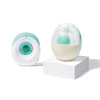
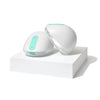
The difference is that wearables can feel less forgiving. Because the pump sits in the bra and moves with the body, small sizing errors may show up faster as rubbing, shifting, or a weaker seal. That is one reason accurate measurement matters so much with wearable systems like Willow Go.
When to remeasure your flange size
Flange size can change over time. A size that worked well early on may feel different later in postpartum recovery.
It is worth remeasuring if:
- pumping becomes less comfortable
- the nipple looks more swollen after sessions
- output changes without another clear reason
- one side starts feeling different from the other
Some people also notice that nipple tissue swells more during certain times of day or at different stages of breastfeeding. If a previously comfortable fit starts feeling off, rechecking the measurement is a reasonable next step.
What to do if the measured size still feels wrong
Measurement gets close, but it does not solve every fit issue on its own. If the flange still feels wrong during pumping, the next step depends on what is happening.
If the tunnel feels too tight or the nipple rubs, start with our fit guide.
If the flange feels too roomy and a smaller tunnel opening may help, we've created this Sizing Insert Guide to help you navigate.
Related Willow sizing help
Willow's Breast Pump Sizing Kit is the easiest way to check size at home before settling on a flange. It also comes with universal sizing inserts that work on any pump, should you find that you need an adjustment because your pump's flanges are too big.
FAQ
How do I measure nipple size for a flange?
Measure straight across the nipple at the base in millimeters, before pumping. Do not include the areola.
What size flange do I need?
Start with the nipple measurement, then choose a flange that is slightly larger based on the pump brand's guidance. Pumping fit confirms whether that size is right.
How much bigger should a flange be than the nipple?
Many systems use a flange that is slightly larger than the nipple, often by a few millimeters. The exact recommendation varies by brand and flange design.
Can I use the same flange size on both sides?
Not always. If each side measures differently, each side may need a different flange size.
Do wearable pumps use different flange sizing rules?
No. The measurement method is the same, but wearable pumps may feel less forgiving if the size is off.
What if my flange size changes over time?
That can happen. Postpartum recovery, swelling, and changes in pumping patterns can all affect fit, so remeasuring is reasonable if a previously comfortable size starts feeling wrong.
Tags Used