





Can you combine breast milk and formula? Absolutely! That is called combination feeding.

Combination (combo) feeding involves feeding a baby both breast milk and formula to ensure they receive the nutrition they need. Combo feeding is used by many families to make sure that their baby has the proper nutrients they need to grow happily and healthily.
While you absolutely can combination feed, there is a little more required than simply adding formula into your baby’s diet.
The Essential Dos and Don'ts of Combination Feeding
DO: Feel Confident in Your Decision
Choosing to combo feed can be difficult - especially if it is not for a medical reason. You have to trust that you know what is best for you and your baby!
If you are on the fence about combo feeding, we encourage you to talk to your pediatrician, OBGYN or midwife, or even a Lactation Consultant. Remember - the goal is a happy and healthy child!
DON’T: Mix Powdered Formula Directly in Breast Milk
This is a critical safety point. Powdered formula should always be mixed with water first, following the instructions on the container.
-
Why? Formula is nutritionally complete on its own. Mixing the powder directly with breast milk can lead to overly concentrated nutrition, straining your baby's kidneys, and can also lead to wasted, precious breast milk if the bottle isn't finished.
-
The Exception: "Fortifying" breast milk with a small amount of prepared liquid formula is sometimes recommended by a doctor for preemies or babies needing extra calories. This should only be done under direct medical supervision.
You have to remember that formula is meant to replace breast milk. This means it is filled with calories and nutrients and should only be mixed with water.
On rare occasions, doctors will recommend adding formula to breast milk to give babies added nutrition. This is called fortifying breast milk and should only be done temporarily, under the guidance of a medical professional.
DO: Ease Into It - If Possible
If you are not supplementing with formula for a medical condition, it is best to ease into the addition of formula. Start by adding one bottle at a time, and working up to the desired or necessary amount of formula.
Don’t fret - if you have to switch to adding formula faster, your baby will be okay! This is one of those “nice to do” things!
Helping Baby Adjust to Combination Feeding
Once you have decided to start combination feeding, you may want to consult with your baby’s pediatrician for their recommendation of formula and process.
1. Maintain a Consistent Schedule
Adding formula can be a disruptive change for babies. In order to help ease them into the change, you will want to keep their feeding schedule as consistent as possible.
If your baby was on a consistent feeding schedule prior to starting formula, try your best not to stray from it. Simply add formula to nursing sessions or replace breast milk feedings with a bottle of formula.
2. Practice Pace Feeding
Eating out of a bottle is much easier and faster than nursing. Babies can eat too quickly and not realize that they are full, which can result in overeating. To avoid this, and to help avoid overloading their small bellies, try pace feeding your baby. Pace feeding allows you and your baby more control over the flow of the milk or formula through the bottle nipple.
-
Holding the bottle horizontally.
-
Taking breaks every few minutes.
-
Allowing the baby to control the pace.
This helps prevent overfeeding and makes switching between breast and bottle easier.
3. Be Prepared for Changes
Bowel Movements: Formula poop is typically firmer, darker, and smellier than breastfed baby poop. This is normal.
Nipple Confusion/Preference: Some babies may develop a preference for the faster, easier flow of a bottle. Pace feeding is your best defense against this.
Combine Breast Milk and Formula in the Same Bottle
If your baby is used to bottle feeding, you can absolutely put breast milk and formula in the same bottle. In fact it is probably easier to do so than trying to get your baby to drink straight formula when they are used to breast milk.
However, if you have combined breast milk and formula and your baby does not finish the bottle, you could end up with wasted breast milk. If you are unsure how much your baby will eat, it may be safer to offer breast milk first, followed by formula.

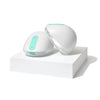
Willow Go™ Wearable Breast Pump
Willow Go™ Wearable Breast Pump
Next-level convenience—easy to learn, use, and clean—with a 100% comfort rating from moms.
How Will Combination Feeding Impact Baby?
While formula is made for babies, there is always going to be an adjustment period to anything new you try!
If your baby has not been bottle fed, there could be a learning curve with taking a bottle of formula. Can you blame them? Keeping calm and patient during feedings is one of the best ways to help your baby adjust to this new change.
Ironically enough, once your baby starts accepting the bottle and filling their belly with formula, they may start refusing to nurse. This is perfectly normal and due to the fact that they have learned how much quicker and easier eating from a bottle is compared to nursing.
Finally, you may notice a change in bowel patterns. Breast fed baby poop and formula fed baby poop are two very different things. Formula poop tends to be smellier than breastfed poop - prepare yourself!
How Will Combination Feeding Impact Mom?
Believe it or not, this change will not just impact your baby. This is a change for you and your body as well.
The primary impact this will have on you is your milk supply. Milk supply works through supply and demand. The more your baby nurses or your nipples are stimulated by a pump, the more your body thinks it needs to produce milk.
When you switch to combo feeding, there is an inherent loss of nursing time, which can hurt your milk supply. If you still intend to provide breastmilk or nurse, you will need to be cognizant of adding in pumping sessions to help maintain your supply.
On top of maintaining your supply, it will also be important that you empty your breasts appropriately. Failure to empty your breasts can result in more than a loss of supply. You can become engorged, get clogged ducts, and eventually (but quickly) end up with mastitis!
This change can also impact you emotionally. If you had been previously nursing, there may be a sense of failure or loss as you begin feeding your baby formula. Know that you are doing what is right for your baby - and as long as that is true, you are not failing!
How Combination Feeding Impacts You (The Parent)
Protecting Your Milk Supply is Key
Your body operates on a supply-and-demand basis. When you replace a feeding with formula, you must signal your body to maintain its supply.
-
Pump When You Formula-Feed: If you skip a nursing session to give formula, pump at that same time. This tells your body, "We still need milk at this hour!" and prevents a supply drop.
-
Avoid Engorgement and Mastitis: Regularly emptying your breasts, either by baby or pump, is essential to prevent painful plugged ducts and infections.
Acknowledge the Emotional Impact
It's normal to feel a mix of emotions—from relief and freedom to guilt or sadness. Remember: a fed baby and a mentally healthy parent are the ultimate goals. You are not failing; you are adapting.
Frequently Asked Questions (FAQs)
-
Q: Will combination feeding cause my breast milk supply to dry up?
A: Not necessarily. As long as you continue to regularly remove milk from your breasts through nursing or pumping, your body will continue to produce it. The key is consistency in your pumping schedule when replacing feedings. -
Q: Can I mix freshly pumped warm breast milk with prepared formula?
A: It's best to cool both liquids first. Mixing warm breast milk with cold formula is fine, but adding warm breast milk to warm formula is not recommended, as it could cause the mixture to be at an unsafe temperature for too long. -
Q: How long can a bottle of mixed breast milk and formula last?
A: Follow the shortest shelf life. Once mixed, use the bottle within 2 hours at room temperature or 24 hours if immediately refrigerated. Discard any leftover milk after a feeding. -
Q: My baby is refusing the breast after introducing bottles. What can I do?
A: This is common. Try to offer the breast when your baby is sleepy and not frantically hungry. Ensure you are pace-feeding bottles and consider consulting a lactation consultant for personalized strategies.

Get pumping support with Simplifed
Get pumping support with Simplifed
Get access to free virtual feeding support from the lactation consultants at Simplifed. They can help you navigate supply issues, introduce a bottle, and more, and are trained on Willow pumps.
Maintain Your Supply with Willow
Willow is here to guide you through the complexities of motherhood - starting with pumping and nursing. Maintaining your milk supply is one of the key factors of combo feeding. Why settle when you can have the best available? Our pump allows you full mobility, 100% leak free, made with the consideration of the life of a mother. See what makes us stand out from the crowd.


Tags Used