





The short answer...YES

Can You Use Breastfeeding as a Form of Birth Control?
Yes! … -ish.
It's called the Lactational Amenorrhea Method (LAM), and it's all about using exclusive breastfeeding to prevent ovulation.
Here's the deal: to use LAM, you need to breastfeed your baby frequently and exclusively, meaning you're not giving any formula or other liquids. Once your period (/blogs/news/what-you-need-to-know-about-breastfeeding-and-menstruation-period/) returns, you can no longer use LAM.
Pros and Cons of LAM
|
Pros |
Cons |
|
Natural & Non-Hormonal: No devices, hormones, or side effects. |
Strict Requirements: Deviating from exclusive, on-demand feeding reduces effectiveness. |
|
Cost-Effective: It's completely free. |
Time-Sensitive: Becomes unreliable after 6 months or the return of your period. |
|
Benefits for Baby: Supports exclusive breastfeeding, providing ideal nutrition. |
No STI Protection: Offers zero protection against sexually transmitted infections. |
The Bottom Line: LAM can be a highly effective temporary birth control method, but it is not a long-term solution. It is crucial to discuss a follow-up plan with your healthcare provider before your baby reaches 6 months.
Can I Breastfeed While Pregnant? What to Expect
If you conceive again while breastfeeding, you may be wondering if it's safe to continue to breastfeed while pregnant. Well, the good news is that it is! Prepare yourself, though: this could cause some discomfort or nipple tenderness, especially in the first trimester when hormones tend to run amok. Don't worry; it's usually temporary, and you'll likely find the discomfort lessens when you're further along.
Potential Challenges of Nursing While Pregnant
-
Nipple Tenderness & Pain: Hormonal changes, especially in the first trimester, can make your nipples extremely sensitive and painful during nursing.
-
Fatigue: Pregnancy and breastfeeding are both energy-intensive. The combination can be exhausting.
-
A Drop in Milk Supply: Pregnancy hormones can cause your milk supply to decrease, often around the 4th or 5th month. Your older child may notice the change in taste and volume and may self-wean.
-
Uterine Contractions: Nursing stimulates oxytocin, which can cause mild, harmless contractions. For most women with low-risk pregnancies, these are not a concern, but you must discuss this with your doctor.
Now, let's talk about the benefits of breastfeeding while pregnant. One of the biggest advantages is that you can continue to provide your child with breast milk, which is full of essential nutrients that can support their growth and development. Plus, if you plan on breastfeeding your new baby, breastfeeding during pregnancy can help ease the transition and prepare your body for breastfeeding again (/blogs/news/breastfeeding-second-baby/).
Benefits and Tips for Success
-
Continued Nutrition: You can continue providing your older child with the immune and nutritional benefits of breast milk.
-
Emotional Connection: It can help maintain a close bond with your toddler during a time of big change.
-
Listen to Your Body: Hydrate excessively, eat a nutrient-rich diet, and rest whenever possible.
-
Consult Your Provider: This is non-negotiable. Your doctor or midwife must approve you to continue breastfeeding based on your personal health and pregnancy risk factors.
However, it's important to note that breastfeeding while pregnant can be challenging, especially if you're experiencing discomfort or other pregnancy symptoms. So, it's essential to listen to your body and make any necessary adjustments to ensure both you and your baby are healthy and comfortable. At the end of the day, do what's best for you and make sure you are taking good care of yourself.
If you're considering breastfeeding while pregnant, it's a good idea to speak with your doctor about your individual needs. Your doctor can help you monitor your health and make sure that both you and baby are getting the necessary nutrients. Your doctor can also give you tips to make breastfeeding while pregnant as comfortable as possible.
Keep Willow in Mind Throughout Your Breastfeeding Experience
Every mother's journey with breastfeeding and fertility is unique, and there's no one-size-fits-all solution. Remember that you know your body best, and you should feel empowered to make the choices that feel right for you and your family. Whether you choose to breastfeed exclusively, pump exclusively, pump occasionally, or not breastfeed at all, what matters most is that you and baby are happy and healthy.
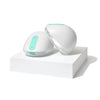
If you're planning to breastfeed or are already breastfeeding, you may have considered using a breast pump. And in that case, the Willow pump is a fantastic option. It's a wearable, wireless pump that fits right inside your bra, making it discreet and easy to use on the go. Learn more (https://shop.onewillow.com/pages/why-willow) about the pump that has revolutionized the breastfeeding game, compare options, and shop our product pages!
Find the perfect pump to fit your dynamic life.
Explore Willow Wearable Breast Pumps
FAQs
-
Q: Can I get pregnant while breastfeeding before my period returns?
A: Yes, you can. Ovulation happens before your first period. If you ovulate and have unprotected sex, you can conceive without ever having a postpartum period. This is why the strict criteria of LAM are so important if you are relying on it for birth control. -
Q: Is it safe to breastfeed while pregnant if I'm high-risk?
A: You must follow your doctor's advice. In cases of a high-risk pregnancy (e.g., history of preterm labor, cervical insufficiency, or carrying multiples), your provider may advise weaning to minimize any risk of contractions. -
Q: Will breastfeeding during pregnancy take nutrients from my fetus?
A: Your body is remarkable at prioritizing the nutritional needs of your growing fetus. However, the demands are significant. It is crucial that you increase your caloric and fluid intake to support yourself, your nursling, and your pregnancy. -
Q: What are good alternative birth control options while breastfeeding?
A: Many options are compatible with breastfeeding. Progestin-only pills (the "mini-pill"), implants, IUDs (both hormonal and copper), and condoms are popular and effective choices. Discuss the best fit for you with your healthcare provider.
Disclaimer: The content provided here is for informational purposes only and is not intended to replace the advice of medical professionals. It should not be used to diagnose or treat medical conditions or problems. Please contact your healthcare provider with questions or concerns.


Tags Used