



Here's how to fuel up.
Whether you're a new mom or a mom to be, breastfeeding is probably on your radar. From picking out nursing bras to preventing sore nipples, you're learning everything you can to prepare for your baby. The number one focus, though, is probably increasing or maintaining your milk supply. Feeling in the dark about low milk supply is totally normal, and getting used to feeding your baby takes time!
We’ve all heard the various tips and tricks for increasing milk supply. There are several options you can try, from power pumping to breast massage. If you’re seeing no progress after giving everything a shot, you’re not alone. Have you ever thought about how food can impact milk supply?
Foods that stimulate milk production are called galactagogues and have been used for centuries by new moms striving to enhance the lactation process. These foods contain nutritional vitamins, minerals, and various chemical properties that can help increase milk production.
Read on to learn which foods increase breast milk and what foods to avoid.
TL;DR
Breastfeeding burns calories, increases hunger, and requires balanced nutrition to support both you and your baby. The food you eat influences your energy levels, hydration, and possibly your milk production. Whole grains, oats, lean meats, greens, and galactagogues like fenugreek or flaxseed can support supply. Stay hydrated, limit caffeine and alcohol, and enjoy a wide variety of foods in moderation to ensure your baby receives complete nutrition through your milk.
What To Eat To Increase Milk Supply
Most foods can’t affect the true quality of your breast milk, but there are foods that can help to increase your milk supply. These foods contain vital compounds and minerals that are thought to help stimulate milk production. It’s important to remember that while many of these foods have been beneficial for plenty of moms, there is a lack of published research behind foods and their impact on breast milk production. If you’re having trouble with milk supply, it won’t hurt to add some of these new foods into your daily diet after consulting your doctor.
|
Food Group |
Why It Helps |
Easy Ways to Eat It |
|
Whole Grains (barley, brown rice) |
Rich in beta-glucan, may support prolactin production |
Add barley to soups or brown rice bowls |
|
Oats |
Great source of iron; low iron can inhibit milk supply |
Overnight oats or oat milk smoothies |
|
Lean Meat (chicken, turkey, beef) |
Add to stir-fries or grain bowls |
|
|
Garlic |
Add to pasta, soups, or roasted veggies |
|
|
Apricots and Dried Fruit |
Contain tryptophan, which may raise prolactin levels |
Snack mix or yogurt topping |
|
Chickpeas |
Blend into hummus or add to salads |
|
|
Herbs (fenugreek, basil, ginger) |
Brew teas or season meals |
|
|
Seeds & Nuts (flaxseed, almonds, fennel) |
Sprinkle on oatmeal or toast |
|
|
Greens (spinach, kale, fenugreek leaves) |
Blend into smoothies or sauté |
|
|
Water |
Aim for clear urine and steady hydration |
Foods to Avoid While Breastfeeding
Paying attention to what you shouldn’t put in your body is just as important as paying attention to what you should, especially during breastfeeding. Here are some foods to avoid during breastfeeding:
Alcohol
In reality, you can drink alcohol while nursing, but be careful not to overindulge. 1 drink a day is the CDC guideline or how much you can drink without it having any negative effects on your breast milk. Remember that if you choose to drink more, some alcohol will appear in your breast milk. If you drink too much while breastfeeding, the rule of thumb is to wait two hours after you have a drink to breastfeed again. Just keep some breastmilk on hand either in the refrigerator or have some frozen if you know you’re going to have a few drinks!
Caffeine
Similar to alcohol, caffeine in moderation should not be a problem for you or your baby. However, remember that caffeine is a stimulant!. If you’re drinking your morning, afternoon and evening java, your baby may feel the effects of your coffee habit.
Peppermint, Parsley and Sage
Eating these herbs in large amounts has proven to decrease milk supply, similar to using any prescription medications. If you eat these herbs occasionally within meals or tea, you should be just fine.
Everything in Moderation
While there is not much scientific evidence to back whether certain foods increase or decrease milk supply, moms for centuries have been trying different methods to help boost the lactation process. It is not necessary to regulate what you eat during lactation, but it is always important to be mindful of creating a well-rounded daily diet that fuels both you and your baby. If you want to learn more about the steps you can take to have a positive nursing experience, check out our pumps to learn more about how Willow can help with everything you need - including your insurance benefits!
What’s The Relationship Between Food and Breast Milk?
Breast milk is not directly made from the food you eat, it’s made in the breasts! But, the types of food you eat can affect the milk production process. In fact, what you eat may change the taste of your breast milk for your baby. When you digest something, it is broken down into small molecules that are absorbed into your bloodstream. The molecules circulate through the breast tissues, and eventually move into the alveoli (milk producing) cells and into your breast milk. Because your baby is exposed to what you put into your body, it’s important to eat a wide variety of foods because this may help smooth out the transition to solids later on.
“Eating a balanced variety of foods provides the best overall nutrition for your baby, especially if you are exclusively breastfeeding, the more variety you consume, the wider the range of vitamins and other nutrients your baby will receive,” says Wendy Wright, IBCLC.
Because your baby feeds off the nutrients you eat, it’s important to have a well-rounded and robust diet to make sure you're eating all of the right foods to fuel both you and your baby. You’ll be more hungry while nursing, so don’t bother counting calories! Eat when you’re hungry and make sure to incorporate a variety of meats, veggies, dairy, and grains into your meals.
How to Tell if You Are Producing Enough Milk
Remember that all mamas produce different amounts of milk, and the amount that you produce is just right for your baby. Gauging the level of milk you're producing is based off of your baby's health. A baby that isn't eating enough may show signs of:
-
Infrequent poops and pees: Babies should be filling their diapers every 2-3 hours. If your baby isn't filling diapers, they are likely dehydrated and it may be time to check your milk supply.
-
No weight gain: Babies grow 5-7 ounces per week depending on their age. If your baby is not meeting the healthy growth checkmarks, it is a cause for concern.
-
No swallowing: Watch to see if your baby is swallowing during each feeding. If they aren't swallowing at all, they may not be properly expressing milk.
For more tips on nutrition, milk storage, and your breastfeeding journey, find expert-backed advice on our Willow Blog.
FAQs:
- Do I really need to eat extra calories while breastfeeding? Yes, but not as many as you might think. Breastfeeding typically requires an additional 300-500 calories per day.
-
What are the best foods to eat to increase my milk supply?
Foods known as galactagogues can help support milk production. The most effective and common ones include:- Oats and Whole Grains:Rich in iron and fiber.
- Dark Leafy Greens: Spinach, kale, and fenugreek leaves are packed with nutrients.
- Lean Proteins: Chicken, turkey, and legumes like chickpeas.
- Healthy Fats: Nuts (especially almonds), seeds (flaxseed, fennel), and avocados.
-
I've heard fenugreek is great for supply, but does it work for everyone?
Fenugreek is a popular herb, but it doesn't work for everyone and can even decrease supply for some. It's also not recommended for those with thyroid issues or certain allergies. A safer bet is to start with a well-rounded diet and consider a professionally blended supplement, like Oat Mama Lactation Tea, which uses a mix of herbs for a balanced approach. Always consult your doctor or an IBCLC before starting any new supplement. -
What foods should I avoid completely while breastfeeding?
Very few foods are completely off-limits. The main goal is moderation. However, you should be mindful of:- High-Mercury Fish: Avoid shark, swordfish, king mackerel, and tilefish.
- Excessive Alcohol & Caffeine: Follow CDC guidelines for alcohol (if you choose to drink) and monitor your baby for fussiness or sleep disturbances with caffeine.
- Large Quantities of Certain Herbs: Peppermint, parsley, and sage in large, concentrated amounts (such as in essential oils or large amounts of tea) may reduce supply.
-
Can my diet cause gas or fussiness in my breastfed baby?
It's possible, but not as common as many think. Some babies may be sensitive to proteins from cow's milk, eggs, or peanuts in the mother's diet. -
How much water should I drink while nursing?
There's no one-size-fits-all amount. A good rule of thumb is to drink to thirst and keep an eye on your urine color—aim for pale yellow. -
Is it true that eating a variety of foods helps my baby?
Absolutely! The flavors of the foods you eat do pass into your breast milk. Exposing your baby to a wide range of flavors (like garlic, spices, and various vegetables) can make them more receptive to different foods when they start solids, helping to raise a less picky eater. -
I'm struggling to find time to eat healthy. Any tips?
This is a very common challenge. Focus on simple, grab-and-go options:- Prepare overnight oats or hard-boiled eggs the night before.
- Keep healthy snacks like nuts, yogurt, pre-cut veggies, and fruit within easy reach.
- Make large batches of soups, stews, or grain bowls that you can reheat throughout the week.
- Your well-being is essential for your milk supply, so don't be afraid to accept help with meal prep or use convenient, healthy options.
Nourish Your Baby, Wherever You Are
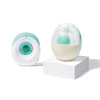
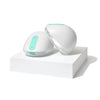
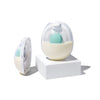
You're putting in the effort to eat well and stay hydrated to produce the best nutrition for your baby. The Willow Go™ Pump and Milk Cooler Bundle ensures that not a single precious drop goes to waste, giving you the freedom to maintain your routine without being tied to the kitchen.
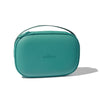
This all-in-one bundle is designed for the on-the-go mom. It combines the discreet, wearable Willow Go™ pump with a portable milk cooler, making it effortless to pump, store, and chill your milk whether you're at the grocery store, the park, or simply moving around your own home.

Tags Used