

Mom-approved ways to ease your travel stress.
 Traveling these days is no joke. Between the multiple security screenings, long lines, COVID-19 concerns adding the stress of traveling with your infant or young child adds a whole new dimension to the chaos of navigating airport travel. If you’re taking your baby along for the ride, you’ll might need to bring your breast milk, too.
The good news is flying with breast milk is fairly straightforward (as far as travel goes these days!) but there are a few things to prepare for and think through before you board...
Part 1: Flying with Breast Milk & Your Pump (TSA Rules You Need to Know)
The Transportation Security Administration (TSA) acknowledges that breast milk and breast pumps are medically necessary items. Here is the definitive guide to getting through airport security without stress.
The Good News: The 3-1-1 Rule Does Not Apply
The standard 3.4-ounce liquid limit (the 3-1-1 rule) does not apply to breast milk, liquid formula, or juice. You are allowed to bring a reasonable amount of milk through the checkpoint in your carry-on luggage.
This is true whether or not your baby is traveling with you.
How to Travel with Breast Milk Through Airport Security
- Declare It: When you reach security, you must remove your breast milk and pump from your carry-on and declare them to the TSA agent.
- Separate Liquids: Keep your milk and cooling elements (gel packs, frozen breast milk) separate from all other carry-on liquids (like shampoo, toiletries, or water bottles), which do follow the 3-1-1 rule.
- Screening: Your milk will likely be subjected to X-ray screening. Your breast pump is considered a medical device and is allowed through security.
- Hand Screening Request: If you are uncomfortable with the X-ray, you have the right to request a hand inspection for your milk. This may involve the agent asking to open the containers or pour out a small sample for testing, so be prepared for potential delays.
Expert Tip: According to the FDA, breast pump X-rays do not harm the milk. Requesting a hand-screening is solely a personal preference.
Your Cooling & Storage Rights
- Coolers & Insulated Bags: You are allowed to carry an insulated bag or cooler with your milk in addition to your standard carry-on luggage.
- Ice/Gel Packs: Frozen gel packs and ice packs are allowed only if they are completely frozen solid at the time of screening. If they are slushy, melted, or have any liquid, they must comply with the 3.4-ounce liquid limit. Pack gel packs, as they thaw more slowly than ice and are generally preferred.
Part 2: The Ultimate Travel Pumping Checklist
Before you leave home, careful preparation is your greatest asset. We combined the most critical items from our travel guides into this single checklist.
|
Category |
Essential Items |
Pro Tips for the Road |
|
Pumping Essentials |
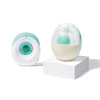
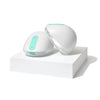
Hands-Free Wearable Pump (e.g., Willow Go™ or 360™): Crucial for discreet, hands-free pumping while moving. |
Charged Batteries: Always leave home with your pump fully charged and pack your charging cable/car adapter. |
|
|
Extra Pump Parts: Bring a full set of duplicates (flanges, duckbill valves, collection containers, or milk bags). |
This eliminates the need to wash parts in public restrooms and gives you a safety net if a part breaks or is lost. |
|
Milk Storage |
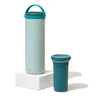
Insulated Cooler Bag/Willow Portable Breast Milk Cooler: Designed to hold milk safely for up to 24 hours. |
If traveling far, pre-freeze your milk in freezer bags (like Willow's Spill-Proof Bags) and pack them in a hard cooler with dry ice (check airline rules first). |
|
|
TSA-Compliant Gel Ice Packs: Ensure they are still frozen solid when you approach the checkpoint. |
Follow CDC guidelines for storage. Remember: Do not refreeze thawed milk unless it still contains ice crystals. |
|
Cleaning & Hygiene |
Pumping Wipes & Dapple Baby Cleaning Kit: For wiping down parts immediately after use when a sink isn't available. |
Wet Bag (like a Stasher Bag): Essential for keeping used, dirty parts separate from clean parts and luggage. |
|
|
Foldable Drying Mat/Travel Cleaning Rack: To properly air-dry parts when you reach your destination. |
Rinse parts in warm water as soon as possible after use to prevent milk residue build-up. |
Part 3: Maintaining Your Milk Supply While Traveling
When you're away from your baby, the biggest threat to your supply is inconsistency. Your body works on a supply-and-demand system, and changing your routine can disrupt it.
The Golden Rule: Pump on Schedule
The single most important factor is maintaining consistency:
-
Pump as often as your baby would naturally feed. If your baby typically eats or nurses every 3 hours, you must pump every 3 hours—even if you're sleeping, in meetings, or in transit.
-
Don’t Stress the Exact Time: If you get off schedule due to jet lag or travel delays, don't worry about hitting the exact hour. Just ensure you hit the same number of sessions per day.
Logistical & Lifestyle Tips
-
Hydrate & Eat: It's easy to forget basic self-care while rushing. Keep a large, reusable water bottle nearby at all times and pack supply-boosting snacks. Dehydration drastically impacts supply.
-
Plan Your Pumping Breaks: If you are traveling for work, book your pumping sessions into your calendar as non-negotiable meetings. If traveling for pleasure, plan activities around your pumping intervals.
-
Mind the Time Change: If you cross time zones, try to transition your pumping schedule by 30 minutes to an hour each day to match your destination's time, maintaining the frequency throughout.
Part 4: Practical Tips for Pumping in Transit
|
Transportation Mode |
Know Your Rights & Logistics |
|
Airports & Airlines |
All midsize and large US airports are required to provide lactation spaces behind security. Use resources like the Mamava App to locate pods, dedicated lounges, and nursing rooms before your flight. |
|
Road Trips |
DO NOT pump and drive. Pull over to a safe rest area or switch to the passenger seat. Make sure you pack a car charger or portable battery pack to recharge your pump motor on long drives. |
|
Trains & Buses |
Pumps are welcome on public transit. Check the station website for private lactation spaces. Since trains typically do not have fridge access, rely heavily on your insulated cooler and gel packs. |
|
Cruises |
Contact your cruise line ahead of time. Options often include bringing a cooler and requesting daily ice service, or asking about the availability of a medical refrigerator in your stateroom or on the ship. |
FAQs
1. TSA Rules & Screening
|
Question |
Answer Based on TSA Guidelines |
|
Do I need to be traveling with the baby? |
No. You are legally allowed to travel with a reasonable amount of breast milk, formula, and juice, even if your baby is not present. |
|
Is the X-ray safe for my breast milk? |
Yes. According to the TSA, X-rays are safe. If you are uncomfortable, you have the right to request a visual, hands-on inspection of your milk and equipment, though this will add time to the screening process. |
|
What if my ice packs are melted? |
If they are slushy or fully melted, they must follow the 3-1-1 liquids rule (containers of 3.4 oz or less). Ensure they are frozen solid when you enter the security line to qualify for the exemption. |
2. Storage & Thawing Guidelines
|
Question |
Answer Based on CDC Guidelines |
|
How long can I store expressed milk at room temp? |
Freshly expressed milk can be stored at room temperature (up to 77∘F or 25∘C) for up to 4 hours. |
|
How long does it last in an insulated cooler? |
Milk in an insulated cooler with frozen ice packs can be safely stored for up to 24 hours. Upon arrival, use it immediately, refrigerate it, or freeze it. |
|
Can I refreeze thawed milk? |
Generally, no. The CDC strongly advises: NEVER refreeze completely thawed human milk. The one exception is if it still has ice crystals remaining, in which case it is still considered frozen and can be placed back in the freezer. |
|
How long does thawed milk last? |
Once fully thawed, milk can be kept in the refrigerator for up to 24 hours (from the time it is completely thawed). Once warmed or brought to room temperature, use it within 2 hours. |
3. Pumping Logistics
|
Question |
Answer |
|
What if I get engorged during a flight? |
Pump at least to relieve pressure, even if you can't complete a full session. Engorgement can lead to a dip in supply or discomfort. |
|
Where can I find a private pumping spot at the airport? |
Look for Lactation Pods (like Mamava) or Mother's Rooms. By law, all large and medium U.S. airports must provide these spaces (excluding public restrooms). |
Can I Bring My Pump on the Plane?
Yes! Just make sure you let the TSA agent know that you have a breast pump with you, so they can screen it properly.
What Are the Rules for Bringing Formula?
The TSA follows the same rules for formula as breast milk meaning you can bring any reasonable amount in your carry-on.
The only kicker is that water isn’t allowed in quantities over 3.4 ounces. So, it’s best to mix up your formula in bottles and place them in your cooler or insulated bag before reaching the checkpoint.
You can also buy some bottled water or use the water fountain to fill up your bottles after you pass the checkpoint.
Tip: Make sure to keep all of your breast milk or formula separate from your other liquids such as shampoo. Those toiletries should be in a quart-sized bag as they must follow the 3-1-1 rule. Plus, this makes your milk easier to screen.
Make Traveling Easier With Willow: The Wearable Breast Pump
The idea of lugging your heavy hospital-grade pump onto the plane spoiling your fun? Flying with breast milk is easy with Willow. To learn more about Willow, visit our Help Center or Shop Now.

Get pumping support with Simplifed
Get pumping support with Simplifed
Get access to free virtual feeding support from the lactation consultants at Simplifed. They can help you navigate supply issues, introduce a bottle, and more, and are trained on Willow pumps.


Tags Used