



Find a schedule that works for you!
Combining breastfeeding and pumping can feel overwhelming at first—but with the right plan and tools, it becomes second nature. Whether you’re preparing to return to work, want to build a freezer stash, or simply need more flexibility, this guide will walk you through getting started, establishing a schedule, and making both feeding methods work for you.
How to Combine Breastfeeding and Pumping
Many moms choose to combine breastfeeding and pumping for flexibility, increased milk supply, or to share feeding responsibilities. You might pump to boost production, involve your partner, or ensure your baby is fed when you’re away. There’s no one-size-fits-all approach—the key is finding what fits your routine and supports your goals.
“Breastfeeding, pumping, or the combination of both are deeply individual. There’s no single right way—only your way,” says Wendy Wright, International Board Certified Lactation Consultant (IBCLC). “Incorporate what supports your journey right now.”
To get started, breastfeed first whenever possible, then pump immediately after or between sessions. This ensures your breasts are fully emptied, signaling your body to continue producing milk.
Sample Breastfeeding & Pumping Schedule
Consistency helps your supply stay strong. Use this example as a flexible guide—every mom’s schedule looks a little different.
Sample Schedule:
- 6:00 AM: Breastfeed
- 8:00 AM: Breastfeed before drop-off or caregiver arrival
- 10:00 AM: Pump
- 1:00 PM: Pump
- 4:00 PM: Pump
- 6:00 PM: Breastfeed
- Bedtime: Breastfeed
- 10:30 PM: Pump
- 3:00 AM: Breastfeed
LC Tip: Aim to pump every 2–3 hours while away from your baby. If you’re at home, pump for 10–15 minutes after nursing to build supply and prevent engorgement. Over time, you’ll find a natural rhythm that fits your daily routine.
Why Moms Combine Breastfeeding and Pumping
Here are some of the most common reasons moms choose both:
- To maintain or increase milk supply
- To have greater flexibility throughout the day
- To prepare for returning to work or being away from baby
- To involve a partner or caregiver in feeding
- To manage a medical issue like tongue tie or infection
No matter your reason, combining breastfeeding and pumping gives you options—and more control over your feeding journey.
Essential Gear for Pumping and Breastfeeding
Choosing the Right Breast Pump
Finding a pump that fits your lifestyle makes all the difference.
- Electric Pumps: Reliable and efficient, though often bulky and tethered to an outlet.
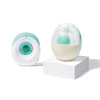
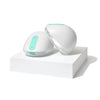
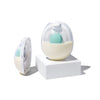
- Wearable Pumps: Lightweight and hands-free options like the Willow 360 or Willow Go give you freedom to move and multitask.
- Manual Pumps: Great for occasional use, travel, or relieving engorgement on the go.
Accessories That Make a Difference
- Nursing Pillows: Support both you and baby for better latch and comfort.
- Nursing Bras or Tops: Make feedings easier with quick access.
- Nipple Cream: Protects against chapping and soreness between sessions.
- Breast Pads: Prevent leaks and protect clothing—try Willow’s reusable breast pads for comfort and sustainability.
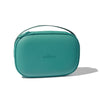
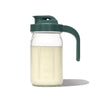
- Milk Coolers: Use a Willow Portable Breast Milk Cooler to keep milk chilled up to 24 hours while you’re away.
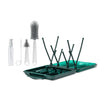
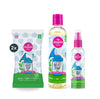
- Cleaning Wipes: Keep your pump sanitized between uses—try Dapple Baby’s Cleaning Kit, available at Willow.
Lactation Consultant Tips for Breastfeeding & Pumping
-
How soon should I pump after breastfeeding?
You can pump immediately after nursing or between sessions—whatever works best for your schedule. Even if output is lower right after breastfeeding, the stimulation signals your body to keep producing milk. -
Can I pump and breastfeed at the same time?
Yes. Try nursing on one side while pumping the other. Alternate sides each session to keep supply balanced. -
How long should I pump?
Pump for about 15–30 minutes or until milk flow slows down. Consistency is more important than duration—regular sessions help maintain supply. -
How can I increase my milk supply?
Pump frequently, stay hydrated, and use warmth to encourage letdown. Willow’s Find Your Flow Feeding Kit includes hot and cold pads that can help stimulate flow. -
Will combining both confuse my baby?
Some babies develop a bottle preference if milk flows too quickly. Use slow-flow nipples, pace bottle feeds, and wait about 4 weeks before introducing bottles to minimize nipple confusion.

How to Store and Label Your Breast Milk
Proper storage keeps your milk safe and nutrient-rich.
- Store in small portions (4 oz or less) to avoid waste.
- Label bags with the date and ounces pumped, using the oldest milk first.
- Don’t mix fresh and frozen milk. Chill fresh milk in the fridge before combining with other milk from the same day.
- Never refreeze thawed milk.
For a full guide, visit our breast milk storage and handling blog.
Establish Your Routine with Willow
Willow’s quiet, wearable pumps make it easier than ever to balance breastfeeding and pumping—whether you’re working, traveling, or just want hands-free convenience. Explore our full line of pumps and accessories designed to make your feeding journey simpler, more comfortable, and entirely your own.
Remember: the best routine is the one that keeps both you and your baby happy, nourished, and connected.
FAQs About Combining Breastfeeding and Pumping
-
How soon should I start pumping if I’m breastfeeding?
You can begin pumping a few weeks after birth once breastfeeding is established. Start slowly—one or two short sessions a day—to build a small freezer stash and protect your supply. -
How often should I pump when combining with breastfeeding?
Aim to pump every 2–3 hours when you’re away from your baby or after a feeding at home. Consistency helps maintain milk supply and prevents engorgement. -
Can I pump and nurse at the same time?
Yes. Let your baby nurse on one side while you pump the other to save time and stimulate both breasts for better milk production. -
Will bottle feeding affect breastfeeding?
Introducing bottles too early can cause nipple confusion. Wait until your baby is nursing well (around 4 weeks) and use slow-flow nipples to mimic the breast. -
What’s the best pump for combining breastfeeding and pumping?
A wearable pump like the Willow 360 or Willow Go offers hands-free convenience and lets you stay flexible while maintaining a consistent routine.
This article was reviewed by Wendy Wright, International Board Certified Lactation Consultant (IBCLC). Always consult your pediatrician or lactation consultant for personalized feeding advice.


Tags Used