

How to Treat Cradle Cap with Breast Milk

TL;DR
If your baby's scalp looks like they're wearing a flaky little helmet, welcome to the cradle cap club. Before you panic—this is completely normal, and you probably already have the best treatment in your own body.
Cradle cap is a common condition that affects many babies, causing scaly patches on their scalps. While it may look concerning, cradle cap is usually harmless and tends to resolve on its own. However, if you're looking for ways to treat it, you might be surprised to learn that breast milk can be a simple and effective remedy.
What is Cradle Cap?

Cradle cap is basically baby dandruff that sticks to the scalp. It is common among newborns and infants. You may notice greasy, yellowish, or brownish scales or patches on baby’s scalp. Cradle cap can sometimes spread to the face, ears, and neck, but it doesn't cause any itching or discomfort for baby. Although the exact cause of cradle cap is unknown, it is believed to be related to overactive oil glands and the presence of yeast on the skin.
What are the Common Causes of Cradle Cap?
- Overactive oil glands (sebaceous glands),
- Malassezia yeast naturally present on skin,
- Hormones passed from mother during pregnancy related to overactive oil glands and the presence of yeast on the skin.
How to Treat Cradle Cap
While cradle cap doesn't pose any major health risks, many parents choose to treat it for cosmetic reasons. The scaly patches can be unsightly and cause concern, especially for first-time parents. Additionally, treating cradle cap can help prevent it from spreading or becoming worse over time.
How Long Does It Last? Most cases clear up within 6-12 months. Some resolve in weeks, others linger until baby's first birthday.
Apply Breast Milk
One surprising and natural remedy for treating cradle cap is breast milk. Breast milk contains natural antibacterial properties and healthy fats that can nourish and soothe your baby's skin.
To apply breast milk to the affected areas, gently rub a small amount onto your baby's scalp and let it sit for a few minutes. Then, using a soft brush or washcloth, gently massage the scalp in a circular motion to help loosen the scales.
Finally, rinse off the breast milk and gently shampoo your baby's hair as usual. This method can be repeated daily until the cradle cap improves.
Why Breast Milk Works for Cradle Cap:
Contains lauric acid (antibacterial), natural moisturizers, and anti-inflammatory properties that soften scales without harsh chemicals.
|
Myth vs Truth! Myth: Cradle cap means baby has sensitive skin. Truth: It's developmental and unrelated to future skin conditions or allergies. |
Apply Cradle Cap Shampoo/Conditioner
Another option for treating cradle cap is using specialized cradle cap shampoos or conditioners. These products are formulated to help loosen and remove the scales while moisturizing the scalp. Look for gentle, baby-friendly products that are specifically designed for cradle cap. To use, apply a small amount of the shampoo or conditioner to your baby's scalp, gently massage it in, and then rinse thoroughly. Follow the instructions on the product for best results.
While there are some effective ways to treat cradle cap, there are a few things you should avoid doing. Firstly, do not try to forcefully scrape or pick off the scales, as this can irritate the scalp and potentially cause an infection. Additionally, avoid using harsh or adult shampoos, as they can be too drying for your baby's delicate skin. Stick to gentle baby products specifically formulated for cradle cap treatment.
While cradle cap can't always be prevented, there are some steps you can take to reduce its occurrence or severity. Washing your baby's hair frequently, using a mild baby shampoo, can help keep the scalp clean and prevent the buildup of oil and scales. Gently massaging the scalp during bath time can also help loosen any flakes. Just member not to scrub too vigorously as this can cause irritation.
When Should I Worry About Cradle Cap?
In most cases, cradle cap is a harmless condition that resolves on its own within a few months. But if you notice any signs of infection, such as redness, swelling, or a bad smell, it's important to seek medical attention.
Additionally, if the cradle cap spreads to other areas of the body, becomes very itchy, or doesn't improve with home treatments, you’ll want to reach out to your pediatrician. They can provide further guidance and recommend appropriate treatment options, if necessary.
FAQs: Treating Cradle Cap with Breast Milk
-
What exactly is cradle cap?
Cradle cap is a common, harmless skin condition in infants that causes greasy, yellow or brown, scaly patches on the scalp. It is not caused by poor hygiene and does not typically itch or cause discomfort for the baby. -
How does breast milk help treat cradle cap?
Breast milk contains natural antibacterial properties, healthy fats, and anti-inflammatory compounds. These components work together to gently moisturize the scalp, soften the hard scales, and help soothe the skin without harsh chemicals. -
How do I use breast milk to treat my baby's cradle cap?
Apply a small amount of breast milk directly to the affected areas of your baby's scalp. Let it sit for a few minutes to soften the scales, then gently massage the area with a soft brush or washcloth. Finally, rinse off the milk and shampoo as usual. -
Is cradle cap a sign of a skin allergy or future sensitivity?
No, cradle cap is a developmental condition related to overactive oil glands and is not an indicator of sensitive skin, allergies, or future skin problems. It is unrelated to eczema or other common skin conditions. -
When should I be concerned about my baby's cradle cap?
You should consult your pediatrician if you see signs of infection like redness, swelling, or a bad odor. Also, seek advice if the rash spreads significantly, seems to cause itching or discomfort, or does not improve with gentle home treatments.
Let Willow Help Wash Your Worries Away
If your baby has cradle cap, don't fret! There are simple and effective ways to treat this common condition. Applying breast milk or using cradle cap shampoos and conditioners can help alleviate the symptoms and improve the appearance of your baby's scalp. Remember to be gentle when treating cradle cap and avoid any harsh methods that may irritate your baby's delicate skin. And always reach out to your pediatrician if you have any concerns or if the condition worsens.
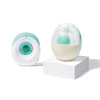
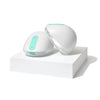
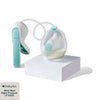
Let Willow be your trusted companion in your parenting journey, offering resources and support to help you through the ups and downs. Our revolutionary breast pump also makes it easier than ever to pump milk that can be used for a wide range of purposes aside from feeding baby, such as providing a natural remedy for cradle cap. Explore our pumps today!
More Than Nutrition: Your Milk’s Potential, Unleashed
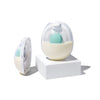
You now know that your liquid gold is powerful enough to soothe your baby’s cradle cap. Ensuring you have a plentiful supply for both feeding and other needs starts with an effective and comfortable pumping routine. The Willow Pump 360™ is designed to help you build that supply with ease, thanks to its unique, body-conforming design.
Its 360° FLEX™ Technology bends and compresses to fit your breast, helping to promote more complete milk removal. This comfortable, efficient expression is key to establishing and maintaining a robust milk supply, giving you the flexibility to use your milk how you see fit—whether for a bottle or as a gentle, natural remedy.
With the Willow Pump 360™, you can:
-
Build a Versatile Stash: Efficiently create a supply of milk for feeding and for gentle skin remedies, like treating cradle cap.
-
Pump in Total Comfort: The flexible design moves with you, reducing pressure points and making it easier to stick to your pumping schedule.
-
Embrace True Hands-Free Freedom: Pump anywhere without cords or tubes, seamlessly integrating expression into your busy day as a new mom.
Ready to experience a more comfortable way to pump?
For more tips on using and managing your breast milk, explore expert-backed guidance on our Willow Blog.
Which pump is right for you?


Tags Used